Terraform Input Variables, Outputs, and Variable Precedence on AWS
Declare Terraform input variables with defaults, override values using tfvars and CLI flags, and expose outputs from a deployed DynamoDB table.
Lab overview
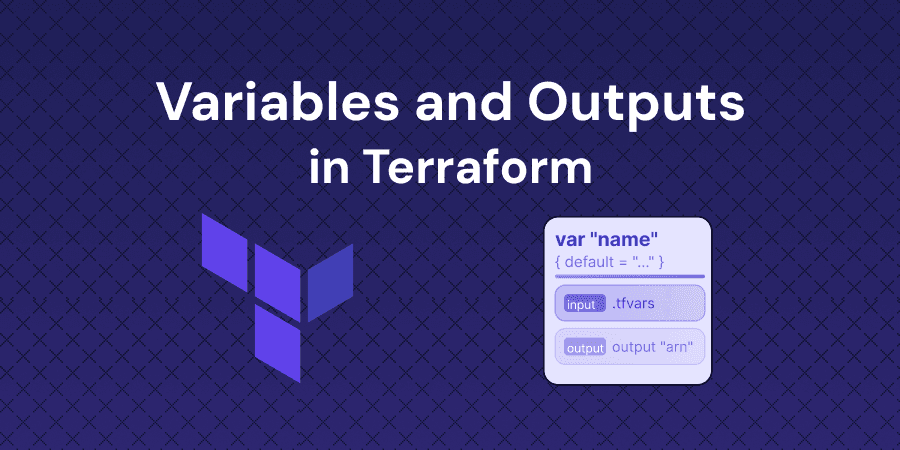
Terraform configurations become reusable and maintainable when values are parameterized through input variables instead of hard-coded into resource blocks. Input variables support type constraints, default values, descriptions, and validation rules, giving teams a single interface for customizing deployments across environments. Equally important is understanding variable precedence: Terraform evaluates values from environment variables, terraform.tfvars files, command-line flags, and variable definition files in a specific order, and the last value wins. Outputs complement this by exposing computed attributes from deployed resources so they can be consumed by other configurations or displayed after an apply.
In this lab, you will declare input variables with type constraints and defaults in a Terraform project targeting AWS, create a terraform.tfvars file to override defaults, demonstrate variable precedence by supplying values through multiple mechanisms, deploy a DynamoDB table parameterized by those variables, and define output values that expose the table name and ARN after a successful apply.
Objectives
By completing this beginner lab, you will be able to:
- Declare input variables with type constraints, defaults, and descriptions in a variables.tf file
- Override default variable values using terraform.tfvars and the -var command-line flag
- Explain and demonstrate the Terraform variable precedence order
- Deploy an AWS DynamoDB table parameterized by input variables
- Define and query output values that expose resource attributes after terraform apply
Who is this lab for?
This lab is designed for:
- Cloud engineers learning how to parameterize Terraform configurations for multiple environments
- DevOps practitioners who need to understand how variable precedence affects automated deployments
- Terraform Associate candidates preparing for exam objectives covering variables, outputs, and configuration
Verified against your live environment
An automated validation engine inspects your actual resources and configurations as you work. Completion means the task was performed, not multiple choice, real-world proficiency.
More labs like this
Introduction to Infrastructure as Code with Terraform on AWS
Write your first HCL configuration and deploy a DynamoDB table to AWS using Terraform's init, plan, and apply workflow.
Import Existing Infrastructure into Terraform State Management
Use Terraform import blocks and the legacy import command to bring pre-existing Azure resources under Terraform state management.
Terraform Custom Validation and Check Blocks on AWS
Write variable validation rules, add preconditions and postconditions to resources, attach output preconditions, and create check blocks on AWS.
Related reading
Environment
Every lab includes
- Real environment, pre-credentialed
- Automated checks on every step
- Isolated sandbox, auto cleanup
- AI-recommended next steps
Lab curriculum
- 01
Logging into the AWS CLI
- 02
Declare Input Variables with Type Constraints
1 automated check
- 03
Assign Variable Values and Test Precedence Order
1 automated check
- 04
Deploy Resources and Query Terraform Outputs
1 automated check
Skills validated
Not the lab you were looking for?
Browse 200+ hands-on labs across AWS, Azure, Kubernetes, Docker, and cloud security.